Educational content only. No medical services. No promises of outcomes.
Social gatherings often present unique opportunities to explore various food options. Understanding how different choices fit into daily nutritional patterns can help individuals make informed decisions that align with their personal preferences.
This educational resource explores the general principles of nutrition in social settings, without providing specific advice or recommendations. Every individual has different needs and circumstances that influence their food choices.
The information presented here is for educational purposes only and does not replace consultation with qualified professionals for personalized guidance.
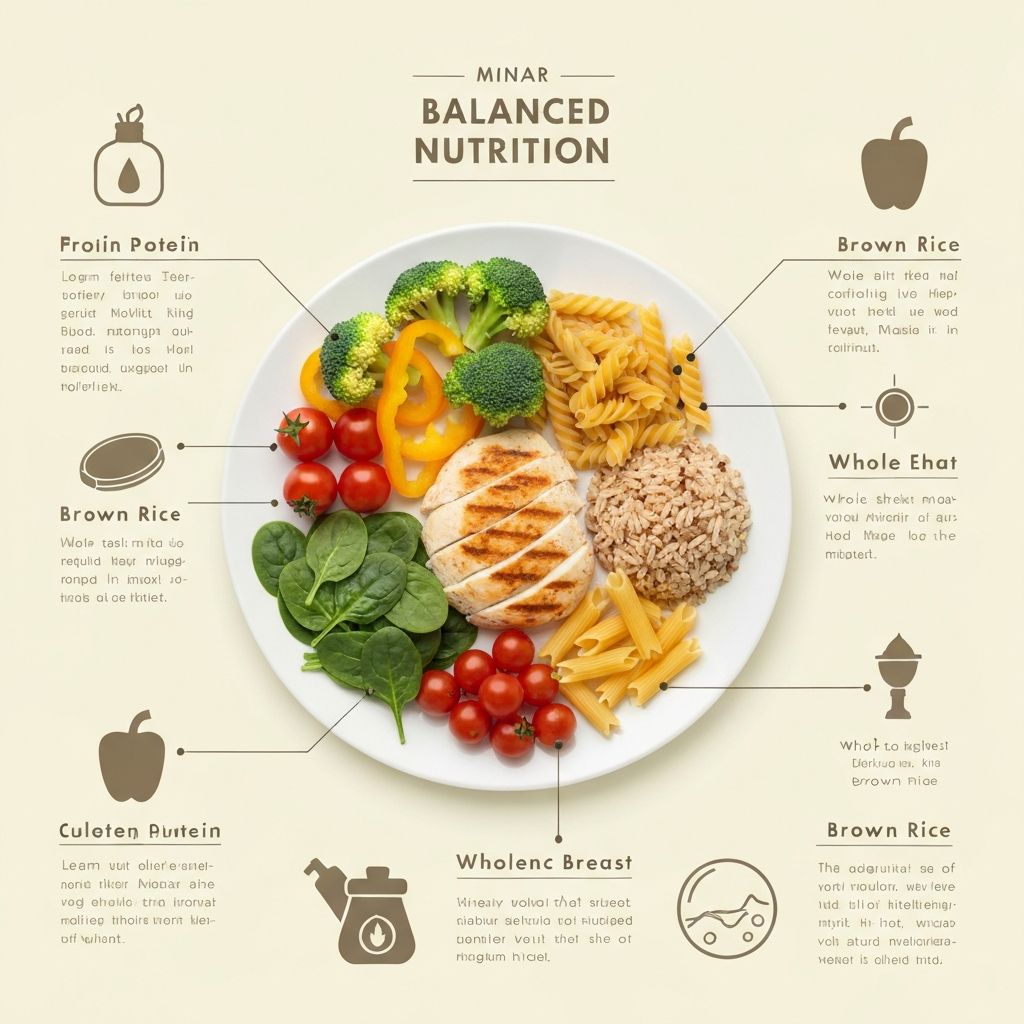
Balanced nutrition generally involves consuming a variety of food groups including vegetables, fruits, whole grains, proteins, and healthy fats. At social events, these principles can be observed through the available food selections.
Different approaches to food selection exist, and what works for one person may not suit another. Cultural preferences, dietary patterns, and individual circumstances all play a role in food choices.
This section explains general nutritional concepts without prescribing specific behaviors or outcomes. Understanding these principles is an educational exercise rather than a directive for action.
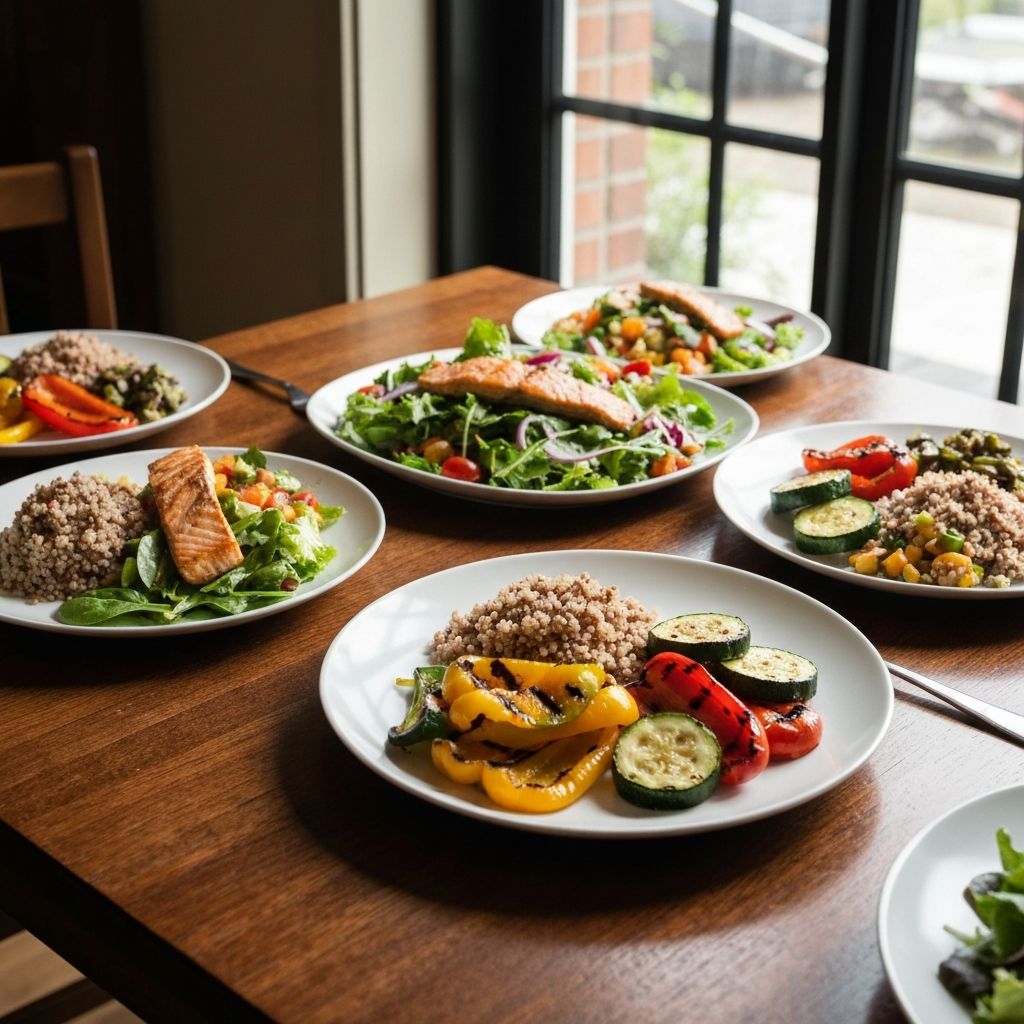
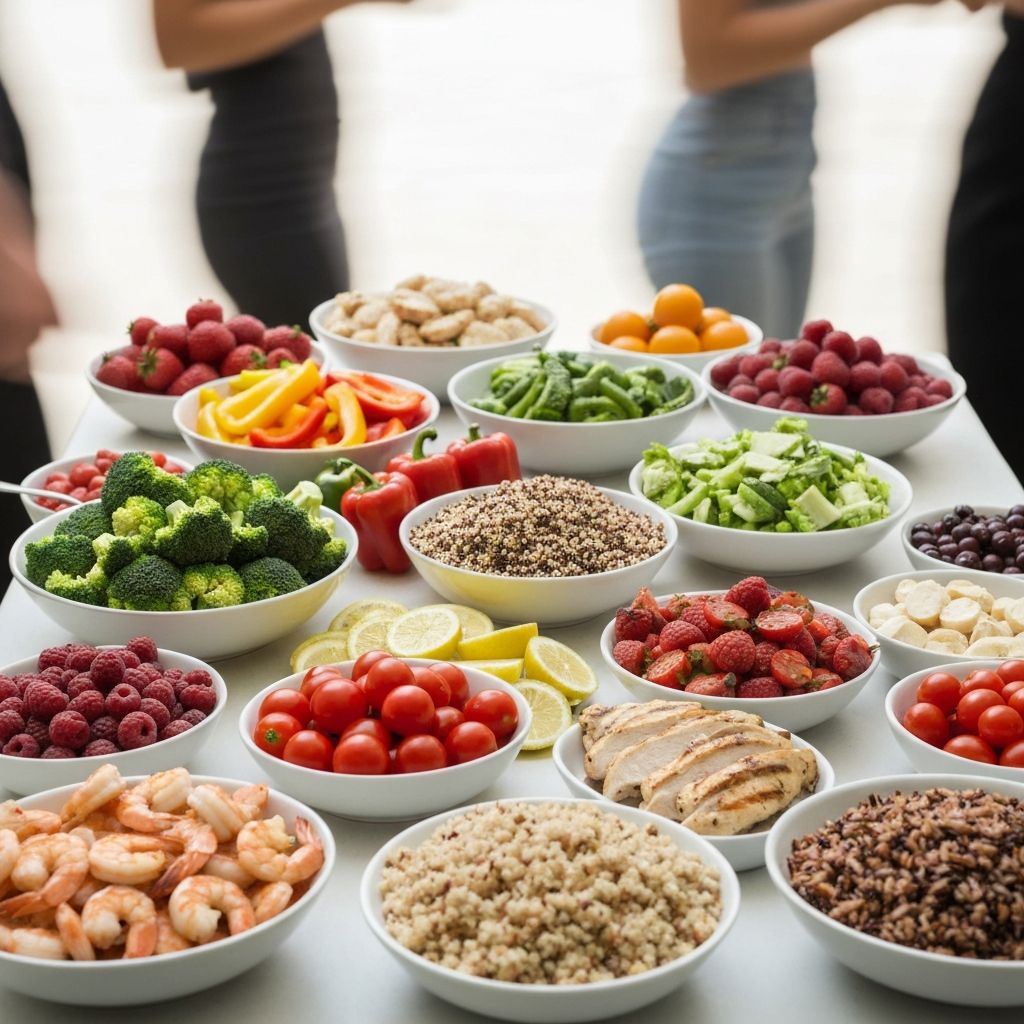
Social events typically feature diverse food options ranging from appetizers to main courses and desserts. Common examples include vegetable platters, salads, grilled proteins, grain-based dishes, and various beverages.
Observing the composition of these meals can provide insight into how different foods contribute to overall nutritional variety. However, no single meal or food choice determines nutritional adequacy.
These examples are presented for informational purposes to illustrate the diversity of options commonly available at social gatherings.
When social events are part of a daily schedule, individuals may consider how these occasions fit within their overall eating patterns. This might involve thinking about the timing, variety, and types of foods consumed throughout the day.
Different strategies exist for managing nutrition across multiple eating occasions. Some people prefer smaller portions earlier in the day, while others maintain consistent eating patterns regardless of social commitments.
This information describes common approaches without recommending specific methods. Individual circumstances vary significantly, and what suits one lifestyle may not be appropriate for another.
Explore the various factors that influence food selection during social events and how these choices relate to daily nutrition patterns.
Read in detailLearn about the concept of portion sizes at events and how they fit into broader nutritional considerations.
Read in detailUnderstand how social eating occasions can be viewed within the context of overall daily nutrition patterns.
Read in detailThis website provides educational information about food choices and nutrition considerations during social events. It is not a medical service, commercial platform, or advice provider.
No. The content here is purely educational and informational. It does not provide personalized recommendations or replace consultation with qualified professionals.
Anyone interested in learning about general nutritional concepts related to social eating. The information is educational in nature and applies broadly without targeting specific outcomes.
No. This is an educational resource only. There are no promises of outcomes, results, or specific benefits from reading this information.
All materials on this website are provided for educational and informational purposes only. The content does not constitute medical advice, personalized recommendations, or directives for action.
Nutritional needs and preferences vary widely among individuals based on numerous factors including health status, lifestyle, cultural background, and personal circumstances. The information presented here describes general concepts without prescribing specific behaviors.
Readers should consult with qualified professionals for personalized guidance related to their individual situations. This website does not replace professional consultation or assessment.
No outcomes, results, or benefits are promised or guaranteed from the information provided on this website.
Continue learning about nutrition and social eating
Explore further